Note /
Field notes: a hurricane shuts three refineries, the tanks still fill
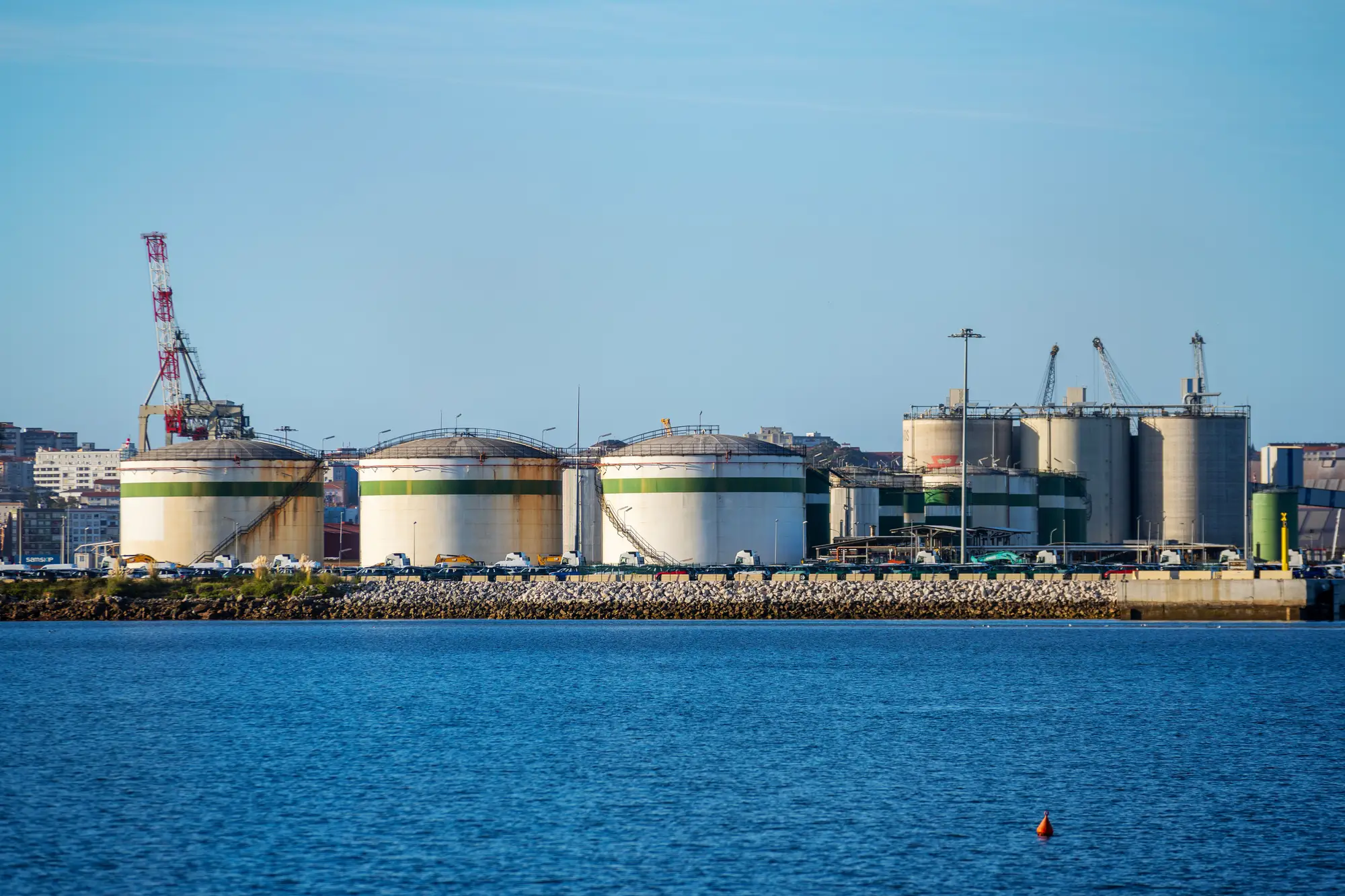
Every storm season produces the same two-week ritual. A system spins up in the Gulf, the cone shifts east then west then east again, and somewhere around day four the headlines start naming refineries. Three shut-ins along the Ship Channel corridor, a fourth running at reduced rates, tankers holding position outside the jetties because nobody's bringing them in blind. By the time the storm makes landfall, the trade desk chatter has already written next week's number: refineries down, nobody running crude, stocks should build hard.
That part usually turns out right. It's the shape of the build that gets interesting.
During a shut-in, a refinery doesn't stop receiving crude so much as it stops using it. Pipelines that were already moving barrels toward the plant don't reverse course mid-storm, they keep landing in the same tank farm, because rerouting takes coordination that nobody has time for when half the control room has evacuated to Dallas. So crude keeps arriving at a facility that's taking none of it to process. It goes into storage instead, tank by tank, roof by roof, while the plant itself sits dark.
The weekly number gets built on operator self-reports, and during a storm week that reporting chain breaks down in predictable ways. EIA's inventory data leans on operators reporting their own stocks. During a hurricane week, a meaningful share of those operators have no one on site to read a gauge, let alone submit a number by Tuesday's cutoff. Some terminals estimate.
Some carry last week's figure forward and true it up later. None of that is malicious, it's just what happens when the people who normally fill out the form are sandbagging their own houses. The number that reaches the market Wednesday morning is a composite of real reads, stale reads, and educated guesses, stitched together under deadline.
What doesn't stop during any of that is the storm's other side effect: product terminals downstream of the shut refineries draw harder than normal, because nobody's backfilling the rack while the plant is down, and gasoline and diesel inventories that looked comfortable going into the week look thin coming out of it. That's the half of the story that gets less attention than the crude build, because crude builds are the easy, expected headline. The product side is where the surprise lives, and it's also the side most dependent on terminals that reported late or incomplete that week.
The only part of this that doesn't care whether anyone evacuated is the tank itself. A floating roof rises and falls with what's inside it, whether the gauge operator is at his desk or on I-45 headed north. That's the piece we built Oil Inventory Index around: pulling the shadow geometry off daily satellite passes so you've got a read on tank levels that doesn't depend on anyone being present to report one. During a storm week, when self-reported data is at its least reliable and most delayed, that daily pass keeps running on schedule, pointed at the same tank farms whether the lights are on or not.
None of this is a case against the weekly print. It's still the number the market settles on and the number that moves basis. But the gap between what the print shows Wednesday and what the roofs did Monday through Friday is exactly where a disrupted week gets interesting, and it's a gap you can watch close in real time rather than wait out. If you want to see what that daily read looks like for the terminals you're already watching, the landing page lays out how the series gets built and delivered.
Next storm that rolls through the Gulf, watch the roofs instead of waiting on the Wednesday number.