Note /
Propane inventory season explained: why November's print hits harder than June's
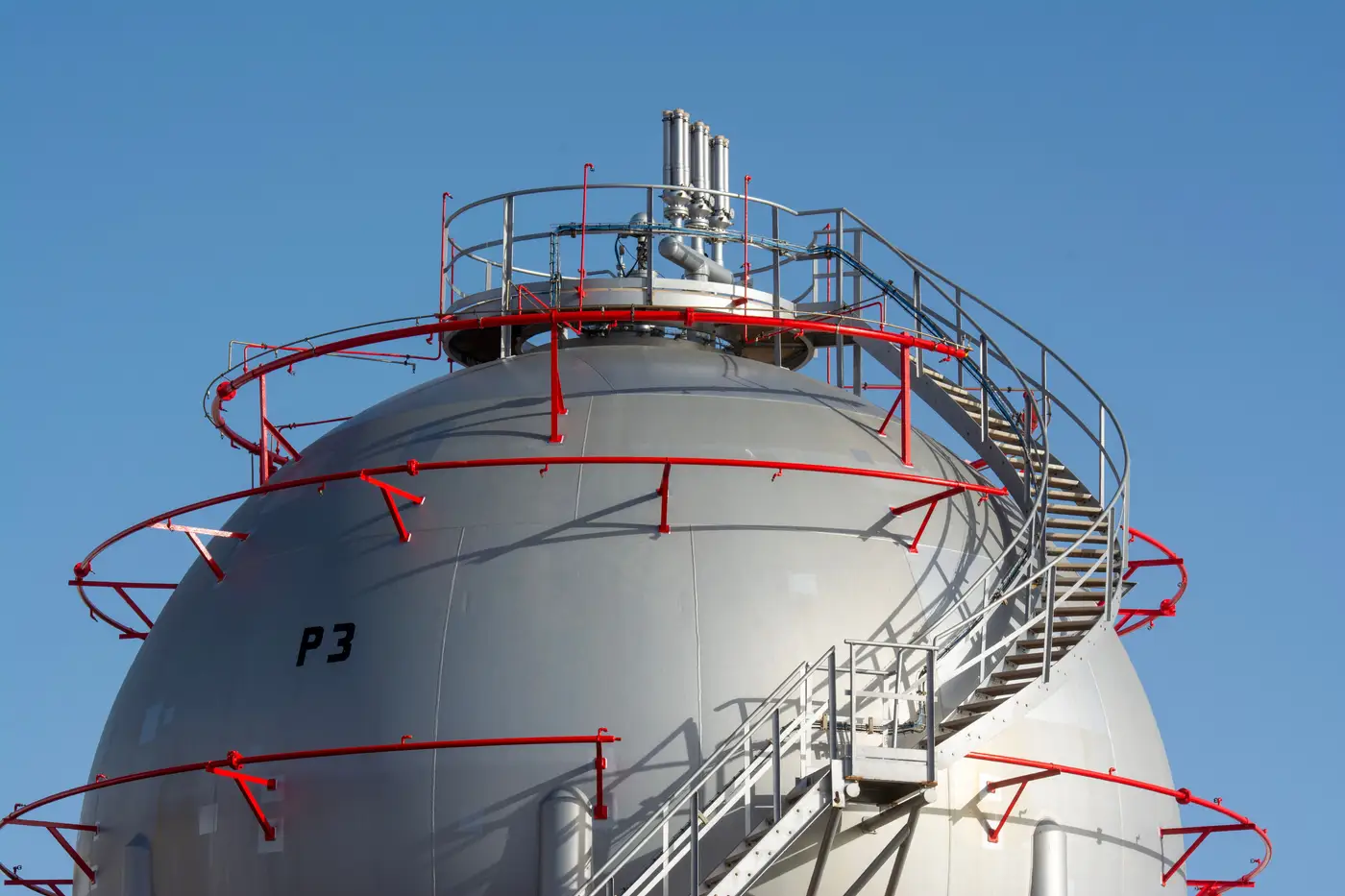
Propane trades on a calendar that runs backwards from crude's. Where crude stocks get read week to week with the five-year range as a loose backdrop, propane has two seasons that matter and everyone on the desk knows it: the build, and the draw.
The build season versus the draw season
From April through September, refiners and gas processors are stuffing propane into storage, mostly underground salt caverns at Mont Belvieu and Conway, plus whatever bullets and spheres sit at regional terminals. Export loadings pull some of that volume off before it ever gets counted toward the winter cushion, but the general shape is the same every year: stocks climb from a spring low toward a peak somewhere in September or October.
Then the draw starts. Crop-drying demand in the Corn Belt hits first, usually mid-October, pulling PADD 2 stocks down hard before a single furnace in the Northeast has kicked on. Heating demand follows once temperatures drop, and by January the question isn't "how much did we build" anymore, it's "do we have enough left for February."
The EIA's weekly petroleum status report carries a propane/propylene stocks table every Wednesday, broken out by PADD, same as crude and the other products. Most weeks of the summer, that number barely gets a glance. A few weeks in late fall, it gets dissected line by line.
Why November moves the market and June doesn't
June sits in the middle of the build. If that week's print comes in a few million barrels light, there's still three and a half months of fill season left to make it up, and a lot can change between June and the October peak: a processing outage, a spike in export nominations, a weak week of ethane rejection. Desks note the number and move on.
November is a different animal. By the time that print lands, the build is effectively over, and the number on the page isn't a snapshot of progress anymore, it's the starting inventory for the entire heating season. Traders stack it against the five-year average and against last year's same-week number, and what they're really asking is whether this winter's draw has to run faster than normal just to keep pace, or whether there's cushion to spare if a cold snap hits the Midwest in January. A low November print with a cold forecast stacked on top of it is the kind of combination that moves propane basis and pulls crude and NGL traders' attention with it, because tight propane often means refiners are running harder to keep LPG yields up.
That's the asymmetry. June's miss gets absorbed by months of build still ahead of it. November's miss becomes the base case for the whole winter, and there's no more fill season left to fix it.
What desks actually check on the print
A few things get pulled apart every November Wednesday: the PADD 2 versus PADD 3 split, since Midwest heating and crop-drying demand behaves nothing like Gulf Coast export flows; days-of-supply against the prior five winters, not just the raw barrel count; and the week-over-week draw rate compared to what the forecast models implied, since a faster-than-expected draw this early is read as a signal for the rest of the season, not a one-off.
It's still a weekly number, reported after the fact, revised the following week, and silent on anything that happened in the six days between releases.
Propane sits in underground caverns and pressurized vessels, nothing visible from a satellite pass. The crude and refined product tank farms that feed the same complex work differently: their floating roofs cast a shadow that shifts with the fill level. Oil Inventory Index reads that shadow across covered tank farms daily, giving you an independent stocks signal on crude and products updated daily instead of once a week.
If you're already marking your calendar for the November propane number, it's worth seeing what a daily read on the tank farms around it looks like too.