Note /
What is the Cushing hub, and why it sets the price for WTI
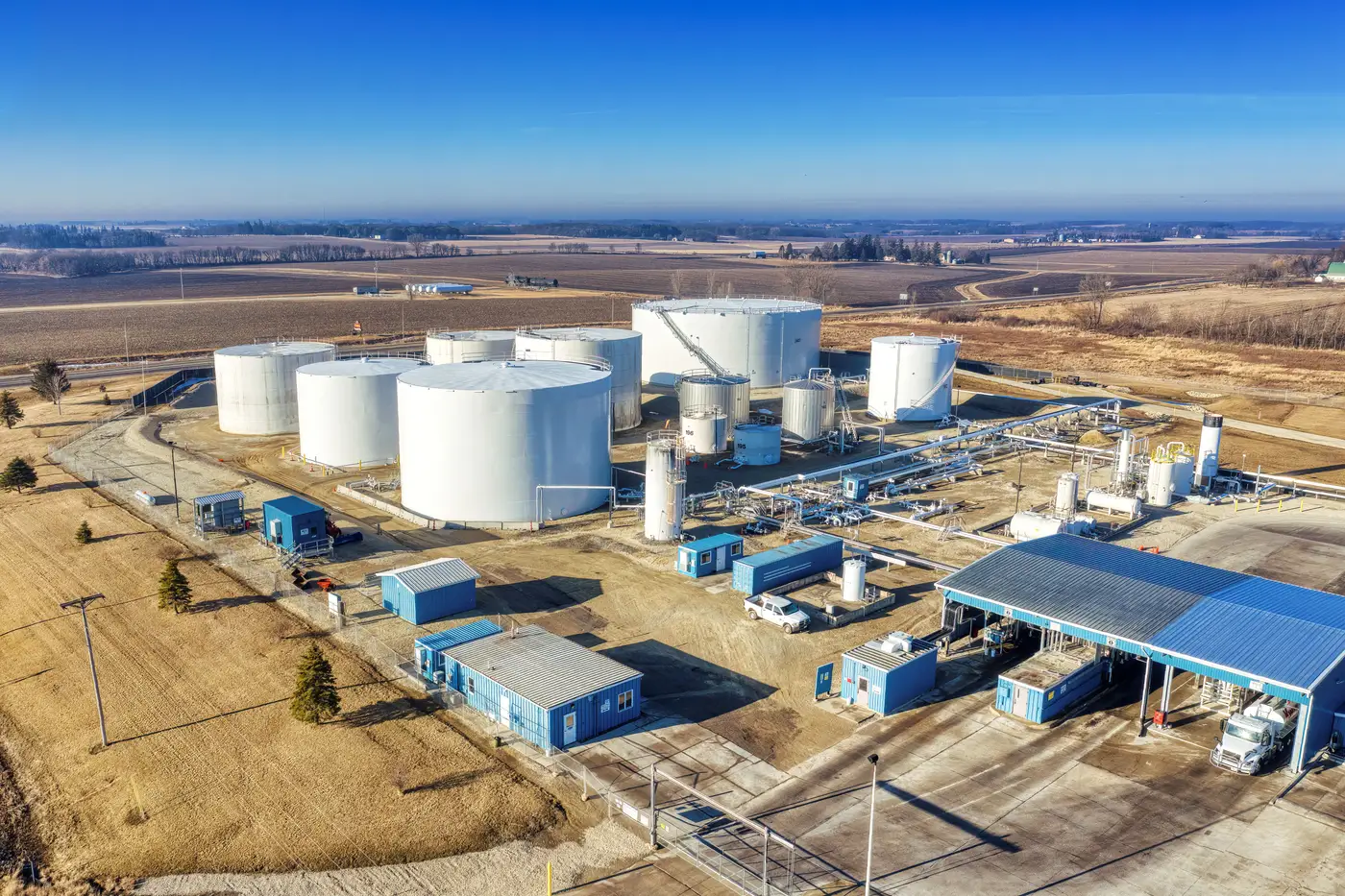
If you trade WTI, you already know the ticker settles against something physical in Oklahoma. Cushing is that something: a pipeline crossroads and tank farm cluster sitting at the exact spot where a few dozen crude lines converge. It's plumbing, and that plumbing is precisely why NYMEX picked it as the delivery point rather than a refining center or a producing basin.
Why a pipeline junction became a price
Back when the NYMEX WTI contract launched in 1983, the exchange needed a delivery point with enough connectivity that a long holder could take delivery and a short could actually hand over barrels, regardless of where the crude originated. Cushing had (and still has) lines running in from the Permian, the Mid-Continent, and Canada, plus outbound capacity toward the Gulf Coast via Seaway, the Marketlink/Gulf Coast extension of Keystone, and a handful of smaller systems. That many-to-many connectivity is the whole reason it works as a delivery hub. A single pipeline terminus wouldn't do it.
So when the CME contract specifies "FOB Cushing, Oklahoma," it names the point where ownership changes hands on paper and, for anyone who doesn't roll or cash-settle, in the tank. That's the mechanical link between the number on your screen and a specific set of storage tanks sitting on the Oklahoma plains.
Why stocks there move the screen, not just the fundamentals
Because Cushing is the delivery point, inventory levels there do something regional stocks elsewhere don't: they affect the shape of the WTI curve directly, not just the macro supply-demand narrative. When tanks at Cushing fill up, the market starts pricing in the cost and difficulty of taking physical delivery, and prompt WTI tends to cheapen relative to deferred months, pushing the curve into contango. When draws get aggressive and working storage gets tight, the opposite happens: prompt barrels get bid up and the curve can flip to backwardation. Traders watch the EIA's weekly Cushing print inside the broader crude stocks report for exactly this reason. It's the one storage number that has a direct line to contract mechanics, not just sentiment.
This is also why Cushing draws and builds get read differently than, say, a build in PADD 3. A build on the Gulf Coast might just reflect export timing. A build at Cushing says something about whether the delivery point itself is approaching tank tops, which has happened before and which markets remember.
The lag every desk already knows about
Here's the practical problem: that weekly EIA number is exactly that, weekly, and it comes out Wednesday morning for a Friday-to-Friday reporting week that's already several days stale by the time you see it. If Cushing stocks are moving sharply between reports (a pipeline outage, an unplanned refinery turnaround pulling barrels, a sudden rush to build ahead of maintenance season) you're pricing the curve on data that's already out of date before you even read the headline number. Terminal operators don't publish daily fill rates either, so between Wednesday prints you're mostly triangulating from pipeline nominations and whatever chatter comes out of Cushing-area brokers.
That gap is the whole reason to look at something that doesn't wait for Wednesday. Floating-roof tanks cast a shadow that tracks the roof height, and the roof height tracks how full the tank is, which means a daily satellite pass over the Cushing tank farms gives you a stocks read between agency reports instead of after them. Oil Inventory Index turns that shadow measurement into a daily CSV series for covered tank farms, Cushing included, so you're not flying blind for six days at a stretch waiting on the next release.
If you're the one explaining to a trading desk why WTI backwardation widened on a Tuesday with no EIA data in sight, a daily independent stocks read on Cushing is worth having before the next print lands.